
Bed Bug Treatment Queens: How to Identify and Remove Bed Bugs
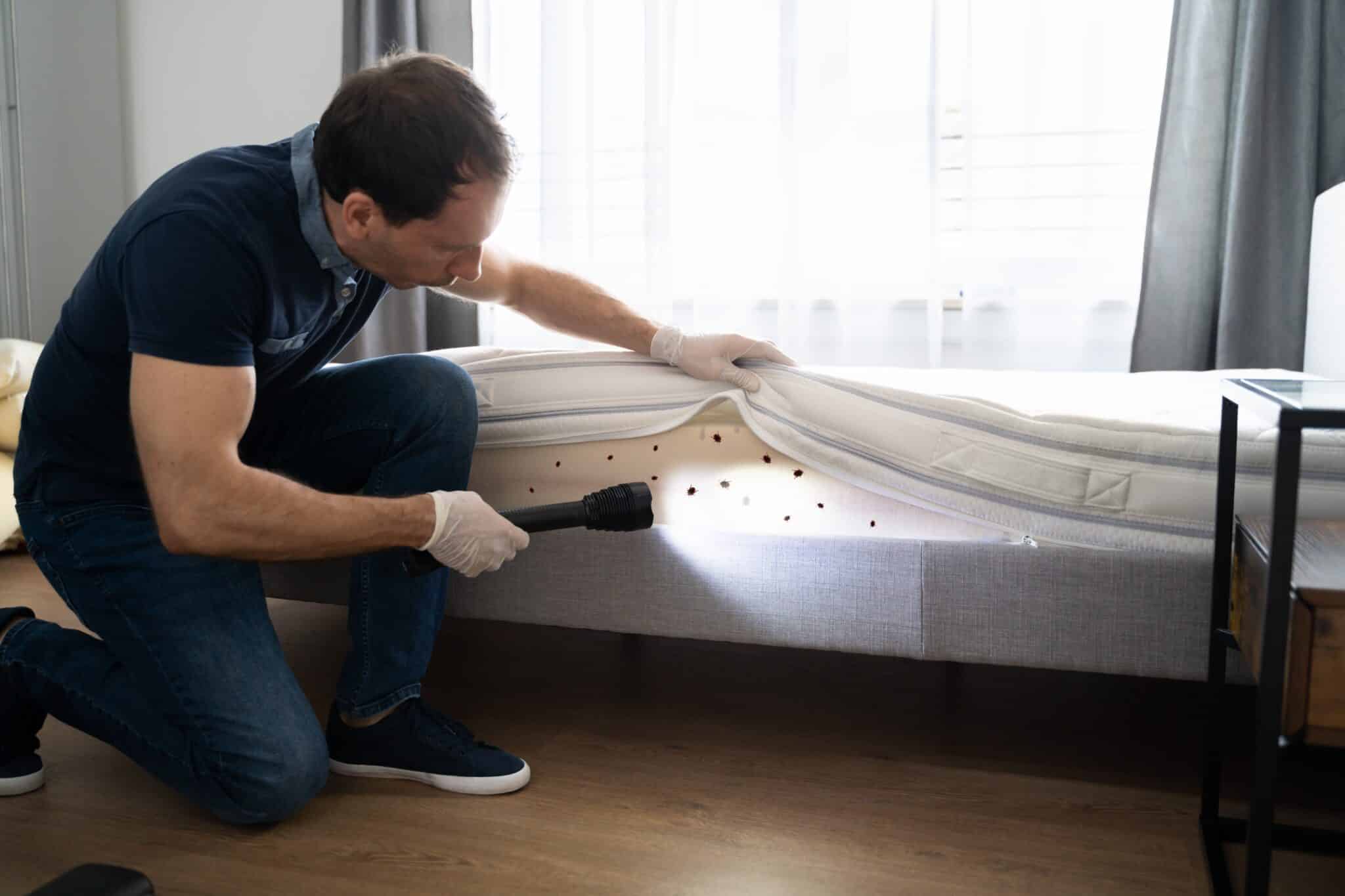
Bed bugs can turn a comfortable home into a stressful place to live. These tiny insects hide in mattresses, furniture, and small cracks, making them difficult to find and remove. For residents dealing with an infestation, finding reliable bed bug treatment Queens services can be an important step toward restoring a clean and comfortable living environment.
Understanding how bed bugs spread, recognizing early warning signs, and choosing the right treatment approach can help homeowners and tenants manage the problem more effectively.
Common Signs of a Bed Bug Infestation
Bed bugs are small, flat insects that feed on human blood. Although they are not known to transmit diseases, their bites can cause itching, skin irritation, and sleep disturbances.
Look for these common signs around your sleeping area:
- Red, itchy bites: Some people develop small, itchy marks after being bitten, although bites alone cannot confirm an infestation.
- Small blood spots: Tiny reddish stains may appear on sheets, pillowcases, or mattresses.
- Dark marks: Bed bug droppings can leave small dark spots on bedding, furniture, and nearby surfaces.
- Shed skins: Bed bugs leave behind pale, empty skins as they grow.
- Live insects or eggs: Small bed bugs, whitish eggs, or eggshells may be visible in mattress seams and furniture joints.
Checking these areas early can help you identify a possible infestation before it spreads further.
Why Bed Bugs Are a Concern in Queens
Queens has a mix of apartments, multi-family homes, hotels, and other shared living spaces. In these environments, bed bugs can move between locations through luggage, clothing, used furniture, and personal belongings. In apartment buildings, infestations may also spread between nearby units through gaps and structural openings.
Bed bugs do not necessarily indicate poor hygiene. Even a clean home can develop an infestation if the insects are accidentally brought inside.
Because these pests hide in narrow spaces and can survive for extended periods without feeding, removing them often requires more than routine cleaning. Early action is particularly helpful when several rooms or neighbouring units may be affected.
Effective Bed Bug Treatment Queens Residents Can Consider
Successful bed bug control depends on identifying the affected areas and selecting a suitable treatment method. The right approach may vary according to the size of the infestation, the type of property, and the places where the insects are hiding.
1. Inspect the Sleeping Area Carefully
Start by checking mattress seams, bed frames, headboards, bedside tables, and upholstered furniture. Examine cracks, corners, and other narrow spaces where bed bugs can hide.
If you discover signs of an infestation, avoid moving potentially infested furniture into other rooms. Doing so can spread the insects and make treatment more difficult.
2. Wash and Dry Bedding Properly
Wash affected bedding, clothing, and washable fabrics according to their care labels. Use a hot dryer setting when the items can safely tolerate it. Appropriate heat exposure can kill bed bugs and their eggs in treated fabrics.
Place cleaned items in sealed bags or containers to prevent them from becoming re-infested while the rest of the room is being treated.
3. Reduce Clutter and Vacuum Carefully
Clutter gives bed bugs more places to hide. Reducing unnecessary items around beds, wardrobes, and furniture can make inspections and professional treatments more effective.
Vacuum mattress edges, bed frames, carpets, and furniture seams where appropriate. After vacuuming, seal and dispose of the collected material carefully. Remember that vacuuming alone is unlikely to eliminate an established infestation.
4. Consider Professional Treatment
When bed bugs continue appearing despite cleaning and other precautions, professional assistance may be necessary. Experienced pest control technicians can inspect the property, identify affected areas, and recommend a treatment plan suited to the infestation.
Professional methods may include targeted insecticide applications, heat-based approaches, or a combination of techniques. The appropriate method depends on the property and the extent of the problem. Follow all preparation instructions and safety guidance provided by the pest control professional.
Mistakes That Can Make Bed Bug Problems Worse
Some common reactions can unintentionally spread an infestation or delay effective treatment.
Moving furniture between rooms: Infested mattresses, chairs, and other items can carry bed bugs into previously unaffected areas.
Using pesticides incorrectly: Applying household insecticides to mattresses or other surfaces without checking the product label can create health risks. Never use outdoor pesticides indoors or mix chemicals.
Throwing away furniture too quickly: Discarding a mattress may not solve the problem if bed bugs remain in the bed frame, skirting boards, or nearby furniture. If an item must be removed, handle and label it carefully to prevent others from taking it.
Stopping treatment too early: Bed bug eggs may survive some treatment methods. Follow-up inspections and additional treatment may be needed to address insects that emerge later.
How Deekay Pest Control Can Help
Residents searching for bed bug treatment Queens solutions may benefit from working with an experienced pest control provider. Deekay Pest Control serves the Queens area and can be considered when professional help is needed to assess a suspected infestation.
A proper inspection helps determine where bed bugs are present and what treatment approach may be appropriate. Homeowners and tenants should explain where they have noticed signs, whether the problem has spread, and what steps they have already taken.
Following professional preparation instructions and monitoring the treated areas can also support better results. In apartment buildings, communicating with property management may be important if nearby units could be affected.
How to Help Prevent Bed Bugs From Returning
After treatment, a few practical habits can reduce the risk of another infestation.
- Inspect hotel beds and luggage storage areas when travelling.
- Check second-hand mattresses and furniture carefully before bringing them home.
- Keep suitcases away from beds when possible and inspect them after returning from a trip.
- Use mattress and box-spring encasements designed for bed bug protection when appropriate.
- Monitor mattress seams, bed frames, and nearby furniture for new signs of activity.
- Follow any recommended follow-up inspection schedule.
These precautions cannot guarantee that bed bugs will never return, but they can help you detect potential problems earlier.
Conclusion
Bed bugs are persistent pests, but early identification and a well-planned response can help control an infestation. Inspect sleeping areas carefully, handle affected fabrics safely, avoid spreading infested belongings, and seek professional help when the problem continues.
For anyone researching bed bug treatment Queens options, understanding the signs of an infestation and the available control methods is a useful starting point. With careful preparation, appropriate treatment, and follow-up monitoring, residents can work toward a more comfortable and bed bug-free home.