

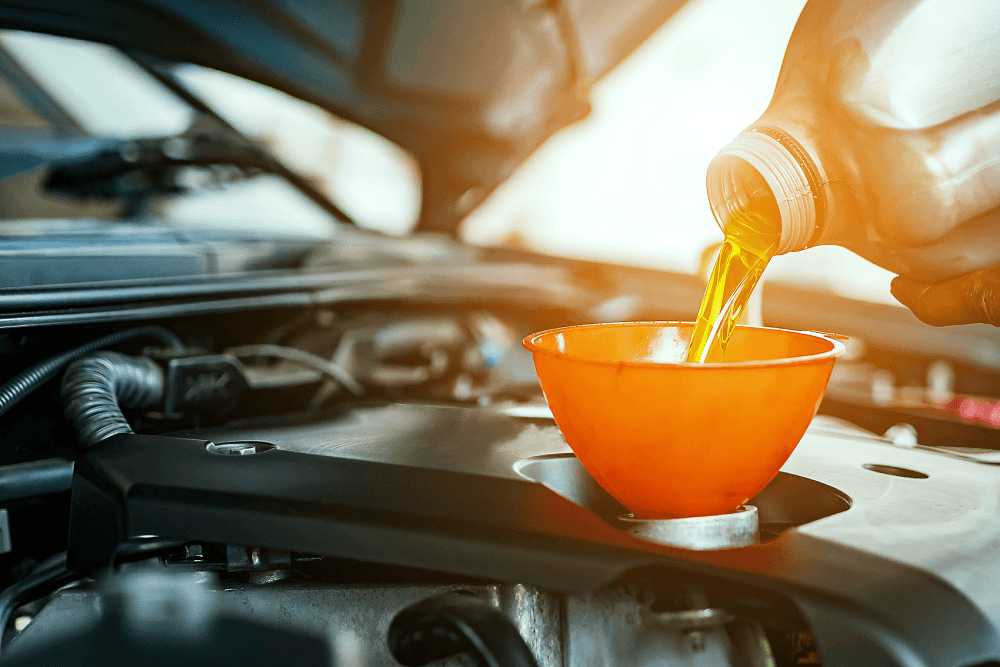
Many motorists begin searching for “change oil near me” once warning lights appear or performance declines. Routine service matters, yet driving behavior strongly influences how soon the oil loses its protective qualities. Every movement—acceleration, idling, temperature shift, or load—affects how the oil circulates and withstands stress. Understanding these factors allows drivers to manage maintenance more accurately and prevent premature oil deterioration. Paying attention to driving patterns can reduce unexpected repairs and create a more efficient operating system for long-term engine health.
How Engine Oil Works
Engine oil moves through internal components to reduce friction, remove heat, and capture contaminants that enter the system during operation. Additives inside the oil maintain stability under varying temperatures and mechanical pressure. Over time, these additives weaken, causing the oil to lose viscosity and protective strength. Heat cycles, particle buildup, and natural oxidation all contribute to gradual breakdown. This decline prevents the oil from forming a consistent lubricating layer, increasing metal contact and accelerating component wear. Reliable performance depends on keeping oil fresh and stable.
Short Trips vs. Long-Distance Driving
Short-distance driving prevents the engine from reaching the temperature needed to evaporate moisture and unburned fuel. These contaminants settle into the oil and dilute its protective properties. Repeated cold starts intensify this issue by creating thicker oil flow during initial seconds of operation. Longer trips allow the engine to stabilize its temperature, burn off moisture, and support cleaner oil circulation. Vehicles primarily used for errands or quick stops often require more frequent oil service because the oil remains exposed to repeated condensation and low-temperature strain.
Heavy Loads and Towing Conditions
Carrying heavy cargo or towing trailers increases internal pressure on the engine, causing temperatures to rise. The oil becomes responsible for managing additional stress and maintaining lubrication during intense operation. Under these conditions, the oil thins faster, additives deplete sooner, and oxidation increases. Trucks, SUVs, vans, and service vehicles often encounter this challenge due to their duty cycles. Regular towing demands more frequent maintenance intervals to ensure the engine remains protected. Drivers using their vehicles for hauling benefit from monitoring oil condition more closely to avoid heat-related wear.
Idling and Stop-and-Go Traffic
-
Increased engine operating time without distance traveled
-
Higher levels of fuel dilution
-
Faster breakdown of oil additives
-
Frequent heat cycling affecting oil viscosity
Environmental Factors and Driving Style
Hot climates expose oil to elevated temperatures that speed up oxidation and thinning. Cold regions cause oil to thicken during startup, slowing initial lubrication and raising wear levels. Dusty or sandy roads introduce more particles into the system, requiring the oil to filter contaminants more frequently. Off-road terrain also forces the engine to operate under fluctuating loads and uneven conditions. Regions with frequent elevation changes put additional demand on the oil due to varying pressure and temperature. These environmental influences combine with driving habits to shape oil service intervals.
Conclusion
Driving behavior plays a direct role in how quickly engine oil deteriorates. Aggressive acceleration, short trips, towing, idling, and challenging environments all influence the rate of breakdown. Recognizing these factors allows drivers to modify habits and prolong oil life. Small adjustments, such as smoother driving and regular checks, provide significant benefits in engine durability and cost savings. With mindful habits and attentive maintenance, the oil retains its protective qualities longer, supporting consistent performance and reducing the risk of premature engine wear.
FAQs
1. Do short trips require more frequent oil changes?
Yes. Short trips create moisture buildup and fuel dilution, which weaken the oil and shorten service intervals.
2. Does towing reduce oil lifespan?
Towing increases heat and internal pressure, causing oil to degrade faster and requiring more frequent changes.
3. Can idling harm engine oil?
Extended idling contributes to fuel dilution and heat cycling, leading to faster breakdown of additives.
4. Are oil-life monitoring systems accurate?
Yes. They use real-time data to estimate oil condition and offer more precise guidance than fixed mileage schedules.
5. Does aggressive driving affect oil quality?
High RPMs and sudden acceleration raise heat levels, accelerating oil oxidation and reducing durability.