
360 Liposuction Dubai: How Is Body Proportion Considered When Planning Treatment?
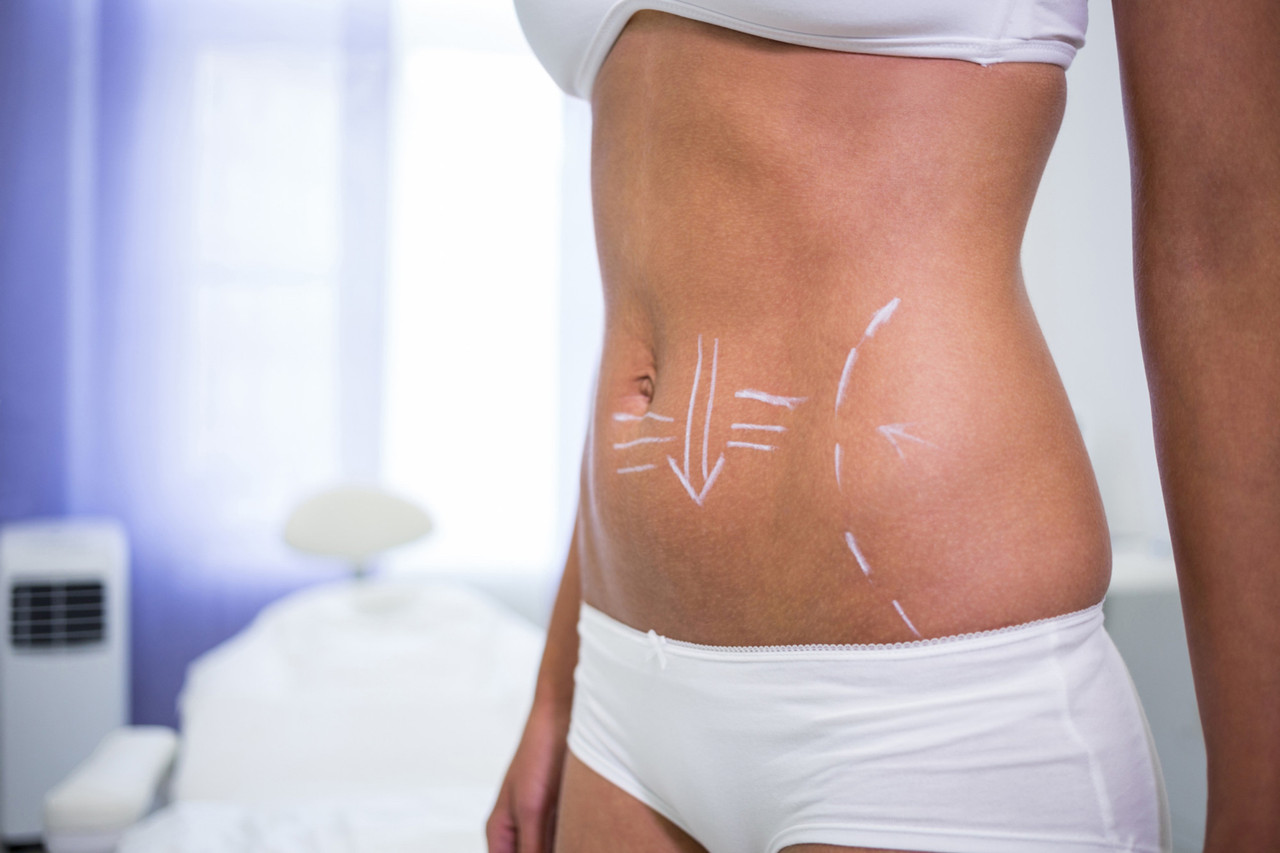 Body proportion is an important consideration when planning liposuction because the objective is not simply to reduce fat from one isolated area. The abdomen, waist, flanks, back, and other areas of the torso are visually connected, so changes in one region can influence how the surrounding areas appear.
For patients considering 360 Liposuction Dubai, the consultation provides an opportunity to assess the body’s overall shape and determine which areas may require attention. Rather than focusing only on the amount of fat present, the surgeon may consider the relationship between the waist, abdomen, hips, back, and other areas included in the treatment plan.
Every person’s body has a different distribution of fat and different underlying proportions. As a result, the same treatment approach may not be suitable for everyone. A personalised assessment helps the surgeon understand the patient’s existing contours, desired changes, and the areas that may contribute to the overall appearance of the torso.
Why Body Proportion Matters in 360 Liposuction
The body is viewed as a connected structure rather than a collection of separate areas. When fat is concentrated around the abdomen, flanks, lower back, or other parts of the torso, treating only one region may not address the patient’s overall concern.
360 liposuction takes a broader approach by considering the circumference of the torso. The surgeon may evaluate how the front of the abdomen relates to the sides and back and how these areas contribute to the patient’s waistline.
The aim of the consultation is to establish which areas are relevant to the patient’s goals and how they can be considered together during treatment planning.
Assessing the Natural Body Shape
Before planning treatment, the surgeon evaluates the patient’s natural body shape. This may include examining the relationship between the shoulders, waist, hips, abdomen, and back.
Some patients naturally have a more defined waist, while others have a straighter torso. Fat distribution can also vary significantly between individuals.
Understanding the starting body shape allows the surgeon to identify where additional contouring may be relevant. The treatment plan can then be based on the patient’s individual anatomy rather than a standard approach.
Evaluating the Abdomen and Waist Together
The abdomen and waist are closely connected when considering body proportion. Fat around the central abdomen can influence the appearance of the waist, while fullness around the sides can affect the transition between the abdomen and hips.
During consultation, the surgeon may assess the front and sides together to understand the overall contour.
This can help determine whether addressing the abdomen alone or considering the surrounding waist and flank areas would better correspond with the patient’s goals.
Considering the Flanks
The flanks, sometimes referred to as the sides of the waist, can have a significant influence on overall torso proportions.
Localized fullness in this area may make the waist appear less defined. When evaluating a patient for 360 liposuction, the surgeon may assess how the flank area relates to the abdomen and back.
This assessment helps determine whether the flanks should form part of the treatment plan and how they relate to neighbouring areas.
Assessing the Lower Back
The lower back is another area that may be considered when evaluating the circumference of the torso. Fat distribution around the lower back can influence how the waist looks from behind and from the side.
The surgeon may examine the lower back in combination with the flanks and abdomen rather than treating each region as completely independent.
Considering these connected areas allows the surgeon to understand the patient’s overall contour and discuss a treatment plan that reflects their individual proportions.
Evaluating the Upper Back and Torso
Depending on the patient’s anatomy and treatment goals, the assessment may extend to other areas of the back and torso.
The surgeon considers where fat is concentrated and how those areas relate to the waist and surrounding body structures. This can be particularly relevant when a patient wants to improve the overall contour of the torso rather than focus on a single area.
The exact areas included in treatment depend on the individual consultation and surgical plan.
Understanding Fat Distribution
People store fat differently. Some may have more fullness around the abdomen, while others have greater concentration around the flanks, back, hips, or other areas.
During consultation, the surgeon assesses the distribution of subcutaneous fat and considers which areas contribute most to the patient’s concerns.
The amount of fat in each region is not the only consideration. The relationship between different areas is also important when planning a circumferential contouring procedure.
Considering the Waist-to-Hip Relationship
The waist and hips create an important transition in overall body shape. The surgeon may assess how these areas relate to one another when planning treatment.
For some patients, the main concern may be fullness around the waist. For others, the issue may involve the transition between the waist, hips, and lower abdomen.
The consultation provides an opportunity to identify these relationships and determine which areas should be considered as part of the treatment plan.
How Skin Quality Is Considered
Skin quality is another factor in body-contouring planning. The surgeon may assess skin elasticity, thickness, and the amount of loose or excess skin in the areas being considered.
Liposuction primarily targets subcutaneous fat rather than removing large amounts of excess skin. Therefore, evaluating the skin helps the surgeon understand the patient’s starting anatomy and discuss the most appropriate approach.
Skin characteristics can differ considerably between patients, making an individual examination important.
Assessing Existing Muscle Definition
The underlying abdominal and torso structure can influence the appearance of the body contour. During consultation, the surgeon may consider the patient’s existing muscle definition and how it contributes to their natural shape.
Liposuction planning is based on the relationship between the fat layer and the underlying structures. Understanding this anatomy helps the surgeon plan treatment areas more precisely.
The goal is to work with the patient’s existing body structure rather than applying an identical contouring pattern to every person.
Considering Body Position During Assessment
Body contours can appear different when a person is standing, sitting, or changing position. During consultation, the surgeon may assess the body while standing and examine the areas from different angles.
A standing assessment can show how fat and skin naturally sit around the torso. Front, side, and back views can also provide a more complete understanding of the patient’s proportions.
This broader evaluation can help identify areas that may not be obvious when looking only at the front of the body.
How Measurements Support Treatment Planning
Measurements can provide objective information about body proportions. Depending on the consultation, the surgeon may assess waist dimensions, abdominal measurements, and other relevant anatomical distances.
These measurements can be compared with the visual assessment to better understand the patient’s existing contour.
Measurements do not determine the treatment plan on their own. They are considered alongside body shape, fat distribution, skin quality, medical history, and the patient’s goals.
Discussing the Patient’s Desired Contour
A successful consultation requires clear communication about what the patient wants to change. Some patients may want greater waist definition, while others may be more concerned with reducing fullness around the abdomen or back.
Patients can explain which areas they notice most and what type of overall contour they prefer. Reference photographs can also help communicate general aesthetic preferences.
The surgeon can then compare those preferences with the patient’s anatomy and explain which areas may be relevant to the proposed treatment.
Why 360-Degree Assessment Is Different From Single-Area Liposuction
Traditional single-area liposuction may focus on one specific region, such as the abdomen or thighs. In contrast, 360 liposuction involves considering the body around the circumference of the torso.
This does not necessarily mean every area receives the same amount of treatment. Instead, the surgeon assesses the relevant areas and determines how they relate to one another.
The treatment plan can therefore be adjusted according to the patient’s individual fat distribution and proportions.
Considering Previous Weight Changes
Previous weight changes may affect the distribution of fat and the condition of the skin. During consultation, the surgeon may ask about the patient’s weight history and whether particular areas have remained resistant to changes in body weight.
This information can provide useful context when evaluating the current body contour.
Patients should provide an accurate history so the surgeon has a complete understanding of the factors that may have influenced the present shape of the torso.
How Lifestyle Can Influence Treatment Goals
Lifestyle can also form part of the consultation. Patients may have different preferences based on exercise habits, clothing, work, or everyday activities.
Someone who regularly exercises may be focused on defining an existing waistline, while another patient may primarily want to reduce localised fullness around the torso.
Understanding these preferences helps the surgeon discuss the treatment plan in the context of the patient’s everyday expectations.
How 360 Liposuction Cost in Dubai Is Discussed
Patients researching 360 Liposuction Cost in Dubai may find that pricing varies according to the extent and complexity of the planned treatment.
The overall cost may depend on the number of areas included, the surgeon’s professional fees, facility charges, anaesthesia, and other elements associated with the procedure. If additional body-contouring treatments are considered, they may also affect the overall quotation.
A personalised consultation provides an opportunity to discuss which areas are relevant and obtain information about the expected cost of the proposed treatment at Cornerstone.
Planning Treatment Around Individual Proportions
Once the surgeon has assessed the patient’s body shape, fat distribution, skin characteristics, and goals, the information can be combined into an individual treatment plan.
The plan may identify specific areas of the abdomen, waist, flanks, lower back, or other parts of the torso. The extent of treatment can vary from one patient to another.
The focus is on understanding how the selected areas relate to one another rather than applying identical treatment to every part of the body.
Preparing for a 360 Liposuction Consultation
Patients can prepare by identifying the areas they are most concerned about and thinking about the type of body contour they would like to achieve.
It can be helpful to discuss previous weight changes, existing medical or surgical history, lifestyle, and any previous body-contouring procedures.
Patients may also prepare questions about treatment areas, body proportions, the planning process, recovery, and 360 Liposuction Cost in Dubai.
What the Proportion Assessment May Include
A detailed consultation may involve several components, including:
- Reviewing the patient’s overall body shape
- Assessing abdominal fullness
- Examining the waist and flanks
- Evaluating the lower and upper back
- Assessing skin quality
- Reviewing fat distribution
- Considering waist-to-hip proportions
- Examining the body from multiple angles
- Taking relevant measurements
- Discussing the patient’s desired contour
- Reviewing lifestyle preferences
- Establishing which areas may be included in the treatment plan
These elements provide the surgeon with a broader understanding of the patient’s anatomy and goals.
Conclusion
Body proportion is an important part of planning 360 Liposuction Dubai because the abdomen, waist, flanks, and back contribute to the overall contour of the torso. Rather than assessing one isolated area, the surgeon can examine how different regions relate to one another.
The consultation may include an evaluation of fat distribution, skin quality, body shape, waist-to-hip relationship, existing muscle definition, previous weight changes, and the patient’s personal goals. Measurements and multiple viewing angles can provide additional information for developing an individualised plan.
For patients considering treatment at Cornerstone, discussing body proportions during consultation can help clarify which areas may be relevant to their goals. Patients can also discuss 360 Liposuction Cost in Dubai to understand the financial details associated with their personalised treatment plan.
FAQs
How is body proportion considered during 360 liposuction planning?
The surgeon evaluates the relationship between the abdomen, waist, flanks, back, hips, and surrounding body structures. This helps identify how the different areas contribute to the patient’s overall torso contour.
Why are body proportions important for 360 liposuction?
Body proportions help the surgeon understand how fat distribution in one area relates to neighbouring regions. This can support a treatment plan that considers the torso as a connected structure.
Which areas are usually assessed during 360 liposuction?
Depending on the patient’s goals, the surgeon may assess the abdomen, waist, flanks, lower back, upper back, and other areas around the torso.
Is the abdomen assessed separately from the waist?
The abdomen and waist can be assessed individually, but they are also considered together because changes in one area can influence the appearance of the other.
Why are the flanks considered during 360 liposuction?
The flanks contribute to the appearance of the waist and the transition between the abdomen and back. Their assessment can help the surgeon understand the overall contour of the torso.
Does skin quality affect treatment planning?
Yes. The surgeon may assess skin elasticity, thickness, and the amount of loose skin when considering liposuction and the overall body-contouring approach.
Does the surgeon assess the back as well as the abdomen?
Yes. Since 360 liposuction considers the circumference of the torso, the back may be evaluated alongside the abdomen, waist, and flanks.
Are body measurements taken before 360 liposuction?
Measurements may be taken during consultation to provide information about waist dimensions, body proportions, and other relevant anatomical characteristics.
Does previous weight loss affect the assessment?
Previous weight changes can influence fat distribution and skin characteristics. The surgeon may discuss weight history as part of the overall assessment.
Can lifestyle preferences affect the treatment plan?
Lifestyle preferences can be discussed during consultation. Exercise habits, clothing preferences, work requirements, and everyday activities may help clarify the patient’s desired body contour.
Can I explain the body shape I want?
Yes. Patients should clearly explain which areas they want to change and the type of contour they prefer. Reference photographs can also help communicate general preferences.
Is 360 liposuction the same for every patient?
No. The areas and extent of treatment depend on the individual’s anatomy, fat distribution, skin characteristics, proportions, and treatment goals.
How is 360 Liposuction Cost in Dubai determined?
The cost can vary depending on the areas being treated, treatment extent, surgeon’s fees, facility charges, anaesthesia, and other components of the individual treatment plan.
What should I ask during a 360 liposuction consultation?
Patients may ask about which areas are suitable for treatment, how body proportions will be assessed, what the proposed treatment plan involves, and 360 Liposuction Cost in Dubai.
Why is an individual assessment important?
Every person’s body shape and fat distribution are different. An individual assessment allows the surgeon to develop a treatment plan based on the patient’s specific anatomy and desired contour.