
Anemia Dubai: What Symptoms Can Help Guide the Medical Assessment?
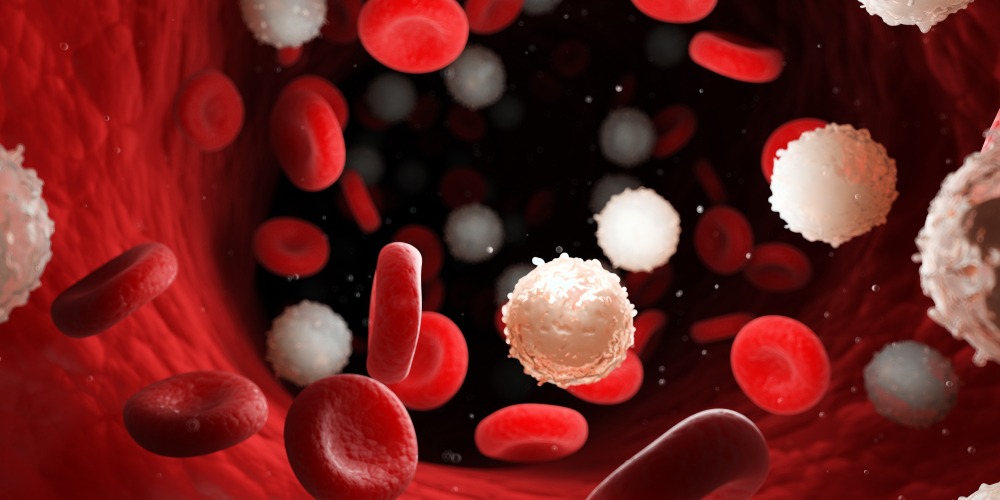 Anemia is a condition in which the blood does not have enough healthy red blood cells or hemoglobin to deliver oxygen efficiently to the body’s tissues. It can develop for many different reasons, including iron deficiency, vitamin deficiencies, blood loss, inherited conditions, or problems affecting red blood cell production. Because the underlying causes can differ, identifying the symptoms and understanding how they developed can be an important part of the medical assessment.
For people considering Anemia Dubai, a consultation may begin with a detailed discussion of symptoms, medical history, diet, medications, and other relevant factors. The doctor may then perform a physical examination and recommend blood tests to determine whether anemia is present and, if so, what type or cause may need further investigation.
Patients can also ask about Anemia Cost in Dubai when arranging an appointment, particularly if blood tests or additional investigations may be required.
Why Are Symptoms Important During an Anemia Assessment?
Symptoms can provide useful information about how a person is feeling and how long the problem may have been developing. However, symptoms alone cannot confirm anemia because many of them can occur with other health conditions.
Mild anemia may cause few or no noticeable symptoms, while symptoms can become more apparent as anemia develops or becomes more pronounced. Common symptoms can include tiredness, weakness, dizziness, headaches, shortness of breath, palpitations, and pale skin.
During a consultation, the doctor may therefore ask detailed questions about the symptoms, including when they started, how frequently they occur, and whether they have changed over time.
How Can Tiredness Guide the Assessment?
Persistent tiredness or reduced energy is one of the commonly reported symptoms associated with anemia. A person may notice that everyday activities require more effort or that they become tired more quickly than usual.
The doctor may ask whether tiredness:
- Is present throughout the day
- Has developed gradually
- Is affecting work or daily activities
- Becomes more noticeable with exercise
- Has changed recently
- Occurs alongside other symptoms
Tiredness has many possible causes, so it does not by itself establish that anemia is present. A blood test such as a complete blood count can help determine whether hemoglobin and red blood cell measurements are consistent with anemia.
Can Weakness Be Associated With Anemia?
Some people with anemia describe a general feeling of weakness or reduced physical stamina. This may become more noticeable during exercise or other activities that require physical effort.
During an assessment, the doctor may ask how the patient feels during normal activities compared with their usual level of energy.
The information is then considered alongside other symptoms and medical history. If anemia is suspected, laboratory testing can provide objective information about red blood cells and hemoglobin.
Why Might Shortness of Breath Be Discussed?
Shortness of breath can occur when the body has difficulty delivering sufficient oxygen to tissues. It is among the symptoms that may be associated with anemia, particularly when a person is physically active.
A doctor may ask:
- When breathlessness occurs
- Whether it happens during exercise or at rest
- How long it has been present
- Whether it is becoming more frequent
- Whether it occurs alongside tiredness or dizziness
Because breathing difficulties can have many causes, the symptom needs to be considered in the context of the complete clinical assessment.
How Can Dizziness Help Guide the Consultation?
Dizziness or lightheadedness may be reported by some people with anemia. It can be particularly useful for the doctor to understand when the sensation occurs and whether it is associated with standing, physical activity, or other circumstances.
The doctor may ask whether dizziness occurs alongside:
- Weakness
- Headaches
- Fatigue
- Palpitations
- Changes in vision
- Feeling faint
These details can help determine whether blood testing or other medical assessment may be appropriate.
Are Headaches Associated With Anemia?
Headaches can occur in people with anemia and may be reported alongside fatigue or dizziness.
During the consultation, the doctor may ask about the frequency and duration of headaches and whether they are associated with other symptoms.
A headache is not specific to anemia, so the doctor may consider other possible explanations as well. Blood tests can help establish whether anemia or an iron-related problem is present.
Can Pale Skin Be Noticed During an Examination?
Changes in skin colour may sometimes be associated with anemia. A healthcare professional may look for paleness during a physical examination, including examining areas such as the skin or inside of the mouth.
The doctor may also consider whether the patient has noticed a change in appearance themselves.
Physical findings are considered alongside laboratory results because appearance alone cannot establish the presence or type of anemia.
Why Are Heart Palpitations Discussed?
Some people with anemia may notice their heartbeat more than usual or experience palpitations. These symptoms can be particularly relevant when they occur alongside fatigue, dizziness, or reduced exercise tolerance.
The doctor may ask what the sensation feels like, when it occurs, how frequently it happens, and whether it is associated with physical activity or other symptoms.
The information can help determine whether further assessment is appropriate.
Can Cold Hands and Feet Be Relevant?
Some people with anemia may report feeling unusually cold, including cold hands or feet. This symptom can be considered during the broader medical history.
However, temperature sensitivity has many possible causes. The doctor may therefore consider it alongside other symptoms, examination findings, and blood test results rather than treating it as a specific sign of anemia.
Are Concentration Problems Important During Assessment?
Some individuals with anemia may report difficulty concentrating or thinking clearly. MedlinePlus lists problems with concentration or thinking among possible symptoms of iron deficiency anemia.
During the consultation, the doctor may ask whether the patient has noticed changes in concentration, productivity, or mental alertness.
These symptoms can have many possible causes, so they are assessed as part of the overall clinical picture.
What Changes in the Mouth Can Be Associated With Anemia?
Certain types of anemia, particularly iron deficiency anemia, may be associated with changes affecting the mouth. These can include a sore or inflamed tongue and mouth ulcers.
During an examination, the doctor may look for relevant physical signs if anemia is suspected.
Patients should mention persistent mouth changes, especially when they occur alongside tiredness, dizziness, or other symptoms.
Can Hair and Nail Changes Provide Useful Information?
Iron deficiency anemia can sometimes be associated with hair loss or changes in the nails. NHS guidance lists hair loss and spoon-shaped nails among less common symptoms of iron deficiency anemia.
The doctor may ask whether the patient has noticed recent changes in hair or nails, particularly if other symptoms suggest possible iron deficiency.
These findings are not enough to diagnose anemia on their own, but they can contribute to the medical history.
Why Is Craving Ice or Non-Food Items Discussed?
An unusual desire to eat or chew non-food substances is known as pica. Craving ice or other non-food items can occur in people with iron deficiency anemia.
A doctor may specifically ask about unusual cravings if iron deficiency is being considered.
Patients may feel uncomfortable mentioning these habits, but providing accurate information can help the doctor decide whether iron studies or other investigations are appropriate.
How Can Menstrual History Help Guide an Assessment?
For people who menstruate, menstrual history can be an important part of an anemia consultation. Heavy menstrual bleeding can contribute to iron deficiency because of ongoing blood loss.
The doctor may ask about:
- Frequency of periods
- Duration of menstrual bleeding
- Amount of bleeding
- Changes from the usual pattern
- Previous history of heavy periods
This information can help the doctor understand whether blood loss may be relevant to the patient’s symptoms and laboratory findings.
Why Is Diet Discussed During an Anemia Consultation?
Diet can provide useful information because nutrients such as iron, vitamin B12, and folate are involved in healthy red blood cell production. A diet lacking certain nutrients can contribute to particular types of anemia.
The doctor may ask about:
- Meat and seafood intake
- Legumes
- Leafy green vegetables
- Whole grains
- Fortified foods
- Vitamin B12 sources
- General dietary patterns
- Recent dietary changes
The purpose is to understand the patient’s nutritional history rather than assume that diet is the cause.
Can Digestive Symptoms Be Relevant?
Digestive symptoms may be relevant when assessing possible anemia because certain gastrointestinal conditions can affect nutrient absorption or be associated with blood loss.
The doctor may ask about abdominal discomfort, changes in bowel habits, digestive problems, or previous gastrointestinal diagnoses.
If the reason for anemia is unclear, further tests may sometimes be considered to investigate possible sources of blood loss. NHS guidance notes that additional testing can be considered when the cause of iron deficiency anemia is not clear.
How Does Medical History Influence the Assessment?
Medical history helps the doctor interpret symptoms in context. The consultation may include questions about previous anemia, chronic medical conditions, recent illnesses, surgeries, medications, dietary patterns, and family history.
Family history can be particularly relevant when inherited blood disorders are being considered. The NHLBI notes that doctors may ask about family history of anemia and other blood disorders when evaluating a patient.
The doctor can use this information to decide which laboratory investigations may provide useful information.
What Blood Tests May Follow the Symptom Assessment?
If anemia is suspected, a complete blood count is commonly used to assess red blood cells and hemoglobin. It can also provide information about other blood cell types.
Depending on the findings, the doctor may consider additional tests such as:
- Ferritin
- Serum iron
- Total iron-binding capacity
- Vitamin B12
- Folate
- Reticulocyte count
- Other laboratory tests based on the suspected cause
Ferritin provides an indication of the body’s stored iron and can be useful when evaluating possible iron deficiency.
The exact tests depend on the symptoms, examination, medical history, and initial blood results.
Why Is Hemoglobin Important?
Hemoglobin is an iron-containing protein in red blood cells that carries oxygen from the lungs to the body’s tissues. A hemoglobin measurement is commonly included within a complete blood count and can provide important information when anemia is suspected.
A low hemoglobin result can occur for different reasons, so the doctor may use additional blood tests and medical information to investigate the underlying cause.
This is why symptoms and laboratory results are usually considered together rather than relying on one measurement alone.
How Can Patients Prepare for an Anemia Consultation?
Patients can make their appointment more informative by preparing details about their symptoms and medical history.
Useful information may include:
- When symptoms began
- Changes in energy levels
- Exercise tolerance
- Dietary habits
- Menstrual history when relevant
- Current medications and supplements
- Previous blood test results
- Previous anemia diagnosis
- Family history of blood disorders
- Any recent changes in weight or general health
A list of symptoms and their approximate duration can also help the doctor understand how the condition has developed.
What Can Patients Expect From Anemia Assessment in Dubai?
For people seeking Anemia Dubai care, the assessment may begin with a detailed discussion of symptoms and medical history. Dr. Barbara may ask about fatigue, dizziness, breathlessness, headaches, palpitations, dietary habits, menstrual history, medications, and other relevant information.
A physical examination may then be performed, followed by blood testing when appropriate. A complete blood count can help determine whether anemia is present, while tests such as ferritin, iron studies, vitamin B12, or folate may help investigate potential causes.
Patients can also ask about Anemia Cost in Dubai when arranging their consultation and any laboratory investigations that may be recommended.
Conclusion
Symptoms can provide important clues during an anemia assessment, although they cannot establish a diagnosis on their own. Tiredness, weakness, dizziness, headaches, shortness of breath, palpitations, pale skin, concentration difficulties, and other changes may prompt a doctor to consider anemia as part of the assessment.
The consultation can also explore dietary habits, menstrual history, previous medical conditions, medications, family history, and possible sources of blood loss. Blood tests such as a complete blood count and ferritin can then provide objective information to help determine whether anemia or iron deficiency is present.
For patients considering Anemia Dubai care, providing accurate information about symptoms and their progression can help Dr. Barbara develop an appropriate assessment plan. Patients can also enquire about Anemia Cost in Dubai when booking a consultation or discussing possible laboratory testing.
Frequently Asked Questions
What symptoms can suggest anemia?
Common symptoms can include tiredness, weakness, dizziness, headaches, shortness of breath, palpitations, and pale skin. Some people may have few or no symptoms when anemia is mild.
Can tiredness alone mean I have anemia?
Tiredness can occur with anemia, but it has many possible causes. A doctor may consider your other symptoms, medical history, examination findings, and blood test results before determining whether anemia is present.
Is dizziness associated with anemia?
Dizziness or lightheadedness can occur with anemia, particularly when it occurs alongside symptoms such as fatigue or weakness. It is not specific to anemia, so further assessment may be appropriate.
Why does a doctor ask about diet during an anemia consultation?
Diet can provide information about intake of nutrients such as iron, vitamin B12, and folate, which are involved in red blood cell production.
Can heavy periods contribute to anemia?
Yes. Heavy menstrual bleeding can contribute to iron deficiency and is therefore an important part of the medical history for patients who menstruate.
What blood test is commonly used to diagnose anemia?
A complete blood count is commonly used to assess hemoglobin and red blood cells. Additional tests may be recommended depending on the findings and suspected cause.
What is a ferritin test used for?
Ferritin is a protein that stores iron. A ferritin blood test can provide information about the body’s stored iron and may help assess possible iron deficiency.
Can anemia cause shortness of breath?
Shortness of breath is one of the symptoms that may occur with anemia. The doctor will consider when the breathlessness occurs and whether other symptoms are present.
Are headaches associated with anemia?
Yes. Headaches can occur with anemia, including iron deficiency anemia. However, headaches have many possible causes and need to be assessed in context.
Can anemia cause hair or nail changes?
Iron deficiency anemia can sometimes be associated with hair loss and nail changes, including spoon-shaped nails. These findings are considered alongside other symptoms and test results.
What should I bring to an anemia consultation?
Bring previous blood test results, a list of medications and supplements, relevant medical records, information about your diet, and details about when your symptoms started and how they have changed.
How much does anemia assessment cost in Dubai?
Anemia Cost in Dubai can vary depending on the consultation, blood tests, and any additional investigations required. Patients can contact the clinic for current pricing and information about what is included.
Can anemia be diagnosed from symptoms alone?
No. Symptoms can guide the medical assessment, but blood tests are generally needed to confirm anemia and help investigate its type or underlying cause.