
Blood Bank Centrifuge Instruction: Main Options, Features, together with Strategies of Choosing your Machines
Introduction to Blood Bank Centrifuge Technology
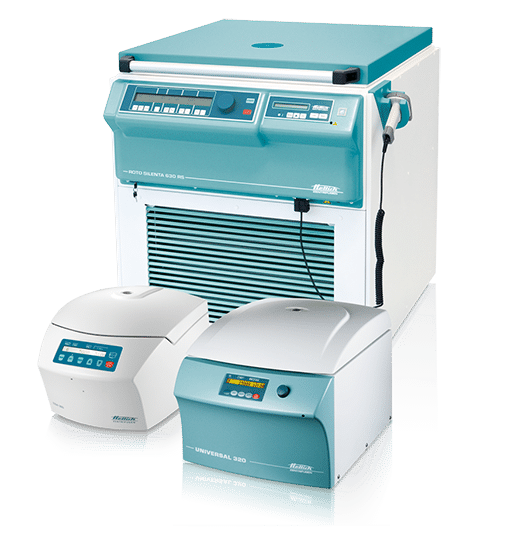
A blood bank centrifuge is an essential little bit of laboratory equipment used to separate blood into its different components for medical testing, transfusion services, and clinical applications. blood bank serofuge Blood contains several important components, including red blood cells, white blood cells, platelets, and plasma. Each component serves a certain purpose in healthcare, making accurate separation a vital element of modern blood banking operations.
The centrifugation process uses controlled rotational force to separate blood components according with their density. By making use of carefully selected speeds and processing times, laboratory professionals can obtain the required blood fractions while maintaining their quality and suitability for further use. Hospitals, diagnostic laboratories, blood collection centers, and transfusion facilities be determined by reliable centrifugation systems to guide their daily activities.
As medical technology continues to advance, blood bank centrifuges have be much more sophisticated, offering improved temperature control, programmable operating settings, enhanced safety features, and consistent performance. Selecting suitable equipment helps laboratories improve workflow efficiency while maintaining appropriate standards of quality and reliability.
Understanding How a Blood Bank Centrifuge Works
A blood bank centrifuge operates by rotating blood collection bags, tubes, or specialized containers at a controlled speed. During rotation, denser components move toward the outer region of the spinning chamber, while less dense components remain nearer to the center. This difference in density allows blood to be separated into distinct layers.
As an example, red blood cells are usually located in the bottom of a centrifuged blood sample since they’re denser than plasma. Plasma occupies top of the layer, while platelets and other cellular components may be collected or processed with regards to the centrifugation method.
The potency of this technique depends on several operating factors, including relative centrifugal force, processing duration, temperature, container design, and the characteristics of the blood product. Laboratory personnel must follow validated procedures to achieve the intended separation without unnecessarily damaging sensitive blood components.
Unlike ordinary laboratory centrifuges, equipment designed designed for blood banking may accommodate blood bags and provide specialized temperature management. These capabilities are particularly important when preparing blood components for transfusion or subsequent laboratory procedures.
Major Applications in Blood Banking
Blood bank centrifuges support numerous activities through the entire blood collection and processing process. Certainly one of their primary applications is the separation of whole blood into components that may be used independently for different patient needs.
Red blood cell concentrates are commonly prepared for patients who require support for oxygen delivery. Plasma contains proteins and clotting factors that could be needed in specific clinical situations. Platelet products might help manage certain bleeding conditions, particularly when patients have insufficient platelet numbers or impaired platelet function.
Centrifugation can be used in preparing specialized blood products and processing samples for compatibility testing, with regards to the laboratory’s equipment and procedures. Different centrifugation protocols may be necessary for routine sample preparation, component production, and other specialized applications.
The capability to separate blood into multiple products improves the practical value of every donation. In place of using whole blood for every single transfusion requirement, healthcare facilities can offer particular components in accordance with clinical indications. This method supports more targeted transfusion practices and might help blood services make smarter use of available donations.
Important Features to Consider When Selecting Equipment
Choosing an appropriate blood bank centrifuge requires consideration of laboratory requirements, expected workload, available space, and the types of blood products being processed.
Temperature control is a significant feature when processing components that need specific thermal conditions. Refrigerated models allow laboratories to maintain controlled processing temperatures in accordance with validated product preparation procedures. Reliable temperature monitoring helps support consistency between processing cycles.
Rotor capacity and compatibility are equally important. Blood collection facilities might need equipment capable of accommodating multiple blood bags, while smaller laboratories may primarily process tubes or smaller containers. The rotor and adapters should be suitable for the containers being used and approved for the intended operating conditions.
Programmable controls allow users to establish repeatable processing settings. With regards to the model, these controls may include adjustable speed, time, acceleration, and braking profiles. Reproducible settings can reduce operator variation and simplify routine laboratory work.
Safety mechanisms are another essential consideration. Features such as for example lid interlocks, imbalance detection, overspeed protection, and fault alerts lessen operational risks. A robust chamber and appropriate containment arrangements will also be important when handling biological materials.
Finally, laboratories should evaluate service availability, spare parts, warranty coverage, maintenance requirements, and manufacturer support. Equipment reliability depends not only on its initial specifications but also how effectively it could be maintained throughout its working life.
The Importance of Temperature Management
Temperature management plays a significant role in blood component processing because different components have different storage and handling requirements. Uncontrolled heating or inappropriate processing conditions may affect product quality and the suitability of components due to their intended use.
A refrigerated blood bank centrifuge provides controlled cooling during operation, helping laboratories follow validated procedures for specific blood products. However, the required temperature depends on the component, preparation method, and applicable standards. Just one temperature setting is not befitting every blood processing application.
Laboratory staff should verify temperature performance regularly and ensure that monitoring systems function correctly. Calibration, preventive maintenance, and documented operating procedures help establish confidence in the equipment’s performance.
Temperature control also needs to be looked at alongside processing speed and duration. These factors come together to influence separation efficiency and component quality, rendering it important to validate the whole centrifugation process as opposed to relying about the same equipment specification.
Maintenance and Operational Best Practices
Regular maintenance helps preserve the performance, safety, and service life of a blood bank centrifuge. Before operation, laboratory personnel should inspect the rotor, adapters, chamber, lid, and containers for visible damage or contamination. Any component showing signs of wear should be assessed based on the manufacturer’s instructions.
Blood bags and tubes should be loaded correctly, with appropriate balancing to minimize vibration and mechanical stress. Operators shouldn’t exceed the equipment’s rated capacity or use containers which can be incompatible with the rotor. Following manufacturer’s instructions is needed for safe and reliable operation.
After processing, the centrifuge should be cleaned using approved methods and compatible disinfectants. Harsh chemicals that might damage seals, coatings, and other components should be avoided unless specifically approved by the manufacturer.
Preventive maintenance will include appropriate inspection, calibration, safety checks, and servicing at the recommended intervals. Laboratory staff also needs to receive training in correct operation, alarm response, cleaning procedures, and documentation.
Keeping accurate maintenance and processing records causes it to be easier to recognize recurring problems, monitor equipment performance, and support quality assurance activities.
Improving Laboratory Efficiency and Blood Product Quality
Modern blood bank centrifuges can contribute significantly to laboratory productivity by supporting standardized processing procedures and reducing unnecessary manual work. Programmable cycles help staff reproduce validated settings, while suitable capacity enables laboratories to handle routine workloads more effectively.
Efficient centrifugation may also help increase the consistency of blood component separation. However, the last quality of a blood product depends on the entire processing system, including collection methods, handling procedures, equipment performance, staff competency, and storage conditions.
Laboratories should therefore evaluate centrifuge performance included in a broader quality management program. Routine monitoring, equipment qualification, staff training, and adherence to applicable regulatory requirements all subscribe to reliable outcomes.
When selecting new equipment, laboratories should consider both current demands and anticipated growth. A carefully chosen system can support future processing needs while avoiding unnecessary operating costs or excessive capacity.
Conclusion
A blood bank centrifuge is an essential investment for healthcare facilities involved with blood collection, processing, and transfusion services. By separating blood into useful components under controlled conditions, this equipment supports a wide variety of clinical and laboratory applications.
Factors such as for example temperature control, rotor compatibility, processing capacity, programmable settings, safety features, and maintenance support should guide equipment selection. Equally important are validated operating procedures, trained personnel, and consistent quality monitoring.
As blood banking technology continues to develop, reliable centrifugation systems will remain central to efficient component preparation and responsible blood resource management. Choosing and maintaining the proper equipment helps laboratories support consistent processing practices and subscribe to safe, high-quality patient care.