
Endolift Skin Tightening London: How Is Skin Laxity Evaluated During Consultation?
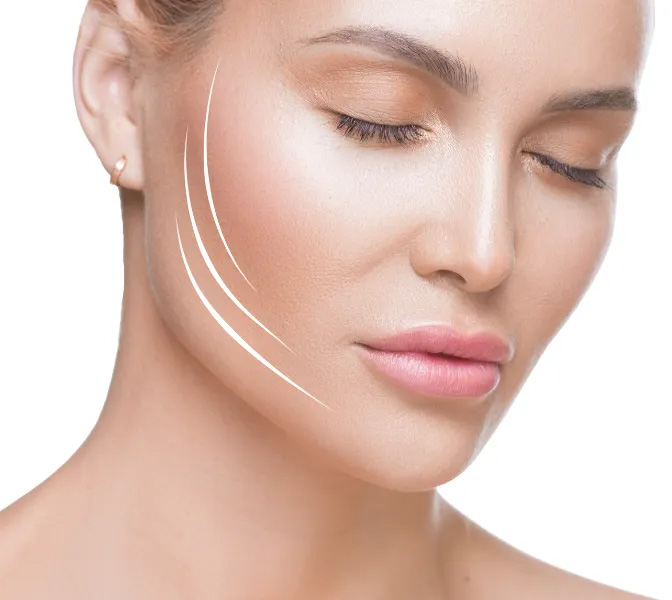
Skin laxity is one of the common concerns people notice as their face and skin change over time. The skin may gradually lose firmness, facial contours can appear less defined, and areas around the cheeks, jawline, chin, and neck may begin to look different. Although these changes are a natural part of ageing, individuals often seek treatments that help improve skin firmness while maintaining their natural appearance.
Endolift Skin Tightening London is an option that may be considered by people looking for a minimally invasive approach to improving selected signs of skin laxity. However, choosing an appropriate treatment begins with a detailed consultation. Before recommending Endolift, a practitioner needs to understand the degree of skin looseness, the areas affected, the quality of the skin, and the individual’s expectations.
Evaluating skin laxity is not simply a matter of looking for wrinkles or sagging. It involves assessing facial structure, skin elasticity, tissue distribution, and the changes that have developed over time. These observations help establish whether Endolift may be suitable and what kind of improvement could reasonably be expected.
What Is Skin Laxity and Why Does It Develop?
Skin laxity refers to a reduction in the skin’s firmness and ability to maintain its previous shape. It can become more noticeable with age as collagen and elastin, two important structural proteins, gradually change. Collagen contributes to the skin’s strength and support, while elastin helps it return towards its original shape after movement or stretching.
Several factors can influence the development and appearance of skin laxity, including age, genetics, sun exposure, changes in body weight, and the natural characteristics of an individual’s skin. The effects vary considerably from person to person.
On the face, skin laxity may appear as less-defined jawline contours, mild looseness around the lower cheeks, changes beneath the chin, or a gradual reduction in firmness around the neck. Some people notice these changes earlier than others, while some retain relatively firm skin despite getting older.
Understanding the underlying cause is important because not every concern described as loose skin has the same explanation. In some cases, changes in facial volume or the position of deeper tissues contribute more to the appearance than the skin itself. A consultation helps distinguish between these factors before treatment is considered.
Why Is a Consultation Important Before Endolift?
An Endolift consultation provides an opportunity to examine the skin and determine whether the treatment aligns with the individual’s concerns. It also helps establish realistic expectations and identify the areas that may benefit most from a carefully planned approach.
During an appointment at an Endolift Clinic in London, the practitioner may discuss the changes the individual has noticed, when they began, and whether they have become more pronounced over time. This conversation offers useful context for the physical assessment.
The practitioner will also consider the difference between the desired outcome and what the skin’s current condition may allow. Someone seeking a subtle improvement in jawline definition may have different requirements from a person concerned about more extensive looseness around the neck.
Rather than treating every area in the same way, a personalised assessment considers the relationship between skin quality, facial proportions, and the distribution of laxity. This allows the treatment discussion to focus on the individual’s anatomy instead of relying on a standardised approach.
How Is Skin Laxity Assessed During an Endolift Consultation?
Visual Examination of the Skin
The first stage of assessment commonly involves observing the skin at rest and during natural facial movements. The practitioner may examine the face from different angles to understand where looseness is most noticeable and whether it affects the overall facial contours.
Attention may be given to the cheeks, lower face, jawline, area beneath the chin, and neck, depending on the individual’s concerns. The assessment can also identify whether the skin appears uneven in firmness or whether changes are concentrated in a particular region.
Lighting, facial expression, and head position can influence how skin laxity appears. For this reason, a thorough examination should consider the face as a whole rather than relying on one photograph or a single viewing angle.
This initial observation helps establish a baseline and supports a more focused discussion about the areas the individual wishes to improve.
Assessing Skin Elasticity and Firmness
Skin elasticity describes the skin’s ability to return towards its original position after being gently displaced. During the consultation, a practitioner may assess the skin’s texture, flexibility, and general firmness using appropriate examination techniques.
Skin that retains reasonable elasticity may behave differently from skin that has become thinner, less resilient, or more noticeably loose. These differences can influence the suitability of a skin-tightening approach and the degree of improvement that may be achievable.
The assessment is not based on elasticity alone. Skin thickness, surface texture, and the way the skin sits over the underlying tissues are also relevant. A person may have fine lines and surface dryness without substantial laxity, while another person may have relatively smooth skin with a noticeable loss of definition around the jawline.
Understanding these distinctions helps the practitioner identify the main concern and avoid assuming that every visible sign of ageing requires the same treatment.
Evaluating the Degree of Skin Looseness
Skin laxity can range from mild changes that are visible mainly during certain movements to more pronounced looseness that affects the resting facial contours. Determining its approximate degree is an important part of treatment planning.
With mild laxity, the skin may remain relatively firm overall, although areas such as the lower cheeks or jawline may appear less defined. Moderate laxity may involve more visible looseness, while significant excess skin may require a different discussion about available treatment approaches.
These descriptions are general clinical considerations rather than fixed categories that automatically determine eligibility for Endolift.
The practitioner must also consider where the laxity occurs. Mild looseness in one area may respond differently from similar-looking changes elsewhere because facial anatomy and the thickness of the tissues vary across the face and neck.
This assessment helps determine whether Endolift is a reasonable option, whether expectations need to be adjusted, or whether another approach may be more appropriate.
How Do Facial Structure and Tissue Distribution Affect Assessment?
The appearance of loose skin is influenced by more than the skin’s surface. Fat distribution, facial volume, underlying tissue support, and the natural shape of the jaw and chin can all affect the way facial contours appear.
For example, a less-defined jawline may be associated with skin laxity, fullness beneath the chin, changes in facial volume, or a combination of these factors. Treating the skin alone may not address every contributor to the concern.
Similarly, changes around the cheeks may reflect differences in tissue support rather than an isolated reduction in skin firmness. The practitioner therefore needs to assess how the skin relates to the structures beneath it.
This broader evaluation is particularly relevant when considering Endolift in London, as the treatment plan should reflect the individual’s anatomy and the specific changes they wish to address.
The aim is to identify the primary concern before discussing a suitable treatment. This helps avoid promising a particular contour change when the underlying cause may require a different approach.
What Role Does Skin Quality Play in Treatment Planning?
Skin quality can influence the assessment alongside the visible degree of laxity. Characteristics such as thickness, texture, hydration, and the presence of fine lines may provide additional information about the condition of the skin.
For instance, skin that appears dull or dehydrated may have a different set of concerns from skin that has lost firmness around the lower face. Although these features can occur together, they are not interchangeable.
The practitioner may also discuss changes in skin quality over time, previous aesthetic treatments, and skincare habits. This information can help build a clearer picture of the individual’s current concerns and expectations.
It is important to understand that no single skin characteristic guarantees a particular outcome. Treatment suitability depends on the complete clinical assessment, including the location and extent of laxity and the individual’s general circumstances.
A considered evaluation helps determine whether Endolift is likely to address the main concern or whether a different treatment plan should be discussed.
How Are Individual Goals Considered During Consultation?
A successful consultation involves understanding what the individual wants to change, not simply identifying what appears different during examination. People may use similar descriptions, such as loose skin or sagging, while having very different priorities.
One person may want a more defined jawline, another may be concerned about mild looseness around the cheeks, and someone else may want to improve the appearance of the area beneath the chin.
The practitioner should discuss these priorities and explain what Endolift may realistically achieve. This includes distinguishing between a subtle improvement in firmness and a more substantial change in contour.
Expectations are particularly important when the individual hopes to achieve a dramatic lifting effect. Endolift is a minimally invasive laser-based treatment, but it should not be presented as equivalent to surgical lifting or as a guaranteed solution for significant excess skin.
Clear communication allows the individual to make an informed decision. It also helps establish which areas should be prioritised and how the outcome will be evaluated after treatment.
What Happens After the Skin Laxity Assessment?
Once the examination and discussion are complete, the practitioner can explain the available options and whether Endolift appears suitable. The proposed plan should be based on the findings rather than on the treatment name alone.
If Endolift is considered appropriate, the practitioner may discuss the intended treatment areas, the anticipated nature of the improvement, and the factors that could influence the outcome. They may also explain the general treatment process and the expected follow-up arrangements.
If the assessment suggests that the main concern is significant excess skin, substantial volume change, or another issue that Endolift may not adequately address, alternative options may be discussed.
Photographs may be used, with consent, to document the initial appearance and provide a reference for later comparison. Consistent lighting, facial positioning, and camera angles can make these comparisons more useful.
The consultation should leave the individual with a clear understanding of the proposed approach, its limitations, and the reasons behind the recommendation.
Choosing an Endolift Clinic in London
When considering treatment, it is important to choose a clinic that prioritises individual assessment and clear communication. The quality of the consultation matters because an appropriate treatment plan depends on understanding the cause and extent of the skin concern.
Individuals can ask about the practitioner’s qualifications, relevant experience with Endolift, and approach to assessing skin laxity. It is also reasonable to ask how suitability is determined, what type of improvement is realistic, and whether another treatment might better address the concern.
A professional consultation should allow enough time for questions and should not rely on pressure to proceed with treatment. Recommendations should be explained in a way that makes the reasoning understandable.
At Bodyvie Clinic, people researching Endolift Skin Tightening London can use the consultation process to discuss their concerns, understand the treatment approach, and explore whether it is appropriate for their individual needs.
The most useful outcome of an appointment is not necessarily an immediate decision to undergo treatment. It is a clear understanding of the skin’s current condition and the options available.
Conclusion
Evaluating skin laxity is an essential step in planning Endolift treatment. A detailed consultation considers the degree of looseness, skin elasticity, tissue distribution, facial structure, and the individual’s desired outcome. These factors help determine whether Endolift is suitable and what level of improvement may be realistic.
Skin laxity can have different causes, even when the visible concerns appear similar. For this reason, treatment planning should be personalised rather than based on age or a single visible feature.
For individuals exploring Endolift Skin Tightening London, a thorough assessment provides an opportunity to understand their skin concerns, discuss appropriate options, and make an informed decision. By focusing on the skin’s condition and the individual’s goals, a consultation can support a considered approach to improving facial firmness while respecting natural features.
Frequently Asked Questions
1. How is skin laxity evaluated before Endolift?
Skin laxity is assessed through a visual examination of the face and relevant treatment areas, alongside an evaluation of skin firmness, elasticity, tissue distribution, and facial contours. The practitioner also discusses the individual’s concerns and desired results.
2. Can Endolift be considered for mild skin laxity?
Endolift may be considered for selected individuals with mild skin laxity, depending on the treatment area, skin characteristics, and clinical assessment. Suitability should be determined during an individual consultation.
3. Does skin elasticity affect Endolift treatment planning?
Yes. Skin elasticity is one of several factors that may influence treatment planning. The practitioner also considers skin thickness, the degree of looseness, underlying tissue structure, and the expected outcome.
4. Is Endolift suitable for significant excess skin?
Endolift may not be the most appropriate option for significant excess skin. Depending on the individual’s anatomy and concerns, the practitioner may discuss other treatments that are better suited to the degree of laxity.
5. Which areas can be assessed during an Endolift consultation?
Depending on the individual’s concerns and the practitioner’s assessment, areas may include the cheeks, jawline, lower face, beneath the chin, and neck. The areas considered for treatment vary according to clinical suitability.
6. Does age determine whether someone is suitable for Endolift?
Age alone does not determine suitability. Skin quality, the degree of laxity, facial anatomy, general circumstances, and treatment expectations are also important considerations.
7. What should I discuss during an Endolift consultation in London?
It is helpful to discuss the areas you want to improve, when you first noticed the changes, any previous aesthetic treatments, and the results you hope to achieve. You can also ask about the practitioner’s experience, the proposed treatment plan, and alternative options.
8. How are results evaluated after Endolift?
Results may be evaluated by comparing the treated areas with the initial assessment, including photographs taken under consistent conditions. The timing of the review depends on the treatment plan and the period needed for changes to develop.
9. Can Endolift improve every type of loose skin?
No. The suitability of Endolift depends on the nature and extent of the concern. Skin laxity, excess tissue, changes in facial volume, and other factors may require different approaches, which is why an individual assessment is important.
10. Why is a personalised consultation important before Endolift?
A personalised consultation helps identify the main cause of the visible concern, establish realistic expectations, and determine whether Endolift is an appropriate option. It also provides an opportunity to discuss alternatives and understand the proposed treatment plan before making a decision.