
Hand Massager for Dupuytren’s Contracture: Does It Really Help?
Living with Dupuytren’s contracture can make simple tasks such as shaking hands, holding a coffee cup, or typing on a keyboard more difficult. As the condition progresses, fingers may gradually bend toward the palm because of thickened tissue beneath the skin. While there is no home device that can reverse the condition, many people look for supportive ways to improve comfort and maintain hand mobility.
A hand massager for Dupuytren’s contracture is one option that some people consider as part of their daily hand care routine. When combined with gentle stretching, regular movement, and advice from a healthcare professional, it may help reduce stiffness and promote relaxation in the hand. This guide explains how hand massagers work, their potential benefits, and how to choose one safely.
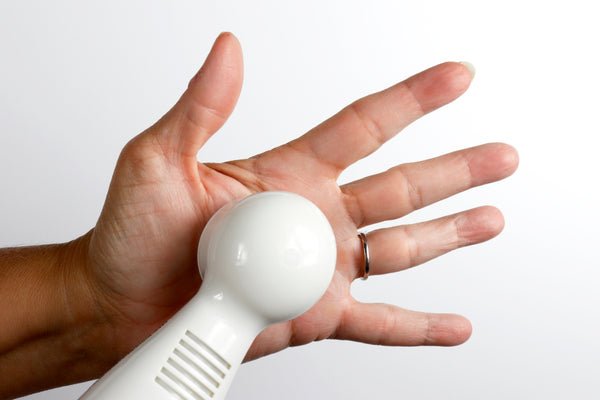
What Is Dupuytren’s Contracture?
Dupuytren’s contracture is a hand condition that affects the connective tissue beneath the skin of the palm. Over time, this tissue becomes thicker and forms cords that gradually pull one or more fingers toward the palm.
Common symptoms include:
- Small lumps or nodules in the palm
- Thickened bands of tissue
- Difficulty straightening the fingers
- Reduced grip and hand flexibility
- Challenges performing everyday activities
The condition often develops slowly over several years and varies from person to person.
Can a Hand Massager Help?
A hand massager for Dupuytren’s contracture is not a cure, and it cannot remove the thickened tissue responsible for finger contracture. However, it may provide supportive benefits by helping the surrounding muscles and soft tissues feel more relaxed.
Potential benefits include:
- Encouraging better blood circulation
- Helping reduce muscle tightness
- Supporting hand relaxation after daily activities
- Improving overall hand comfort
- Making stretching exercises feel more comfortable
Many users include hand massage as part of a broader hand wellness routine rather than relying on it as a standalone solution.
Types of Hand Massagers
Electric Hand Massagers
Electric models use gentle air compression, vibration, or heat to massage different parts of the hand. Many include adjustable intensity settings for personalized comfort.
They may be suitable for people who want an effortless daily massage session.
Manual Massage Rollers
Manual rollers are simple tools that allow users to control pressure while gently massaging the palm and fingers.
These are portable, affordable, and easy to use at home.
Massage Balls
Small massage balls can be rolled across the palm to gently massage tight areas and encourage movement.
They work well alongside stretching exercises.
How to Use a Hand Massager Safely
Using a hand massager for Dupuytren’s contracture correctly is important for comfort and safety.
Follow these best practices:
- Begin with the lowest pressure setting.
- Massage for about 10 to 15 minutes.
- Stop immediately if you experience increased pain.
- Follow massage with gentle finger stretching.
- Stay consistent instead of applying excessive pressure.
Gentle daily care is usually more beneficial than aggressive massage sessions.
Choosing the Right Hand Massager
Not every hand massager offers the same features. Consider these factors before buying one.
Comfortable Fit
Choose a device that comfortably supports your hand without excessive pressure.
Adjustable Settings
Different comfort levels require different massage intensities. Adjustable settings allow you to personalize your experience.
Heat Function
Mild warmth may help relax muscles before stretching, although it should always be used carefully.
Ease of Cleaning
Select a product with materials that are easy to wipe clean after regular use.
Quality Construction
Look for durable materials, reliable customer reviews, and clear manufacturer instructions.
Additional Ways to Support Hand Mobility
A hand massager works best when combined with other healthy habits.
These include:
- Gentle hand stretching
- Regular finger movement exercises
- Protecting your hands during repetitive activities
- Maintaining good overall joint health
- Following advice from a qualified healthcare professional
Some individuals also use supportive hand therapy tools such as stretching devices or massage accessories designed specifically for hand mobility.
When Should You See a Doctor?
Home care may help improve comfort, but medical evaluation is important if your symptoms continue to progress.
Seek professional advice if:
- Your fingers become difficult to straighten.
- Hand function continues to decline.
- Daily activities become challenging.
- Pain or discomfort increases significantly.
- You notice rapid progression of finger bending.
A hand specialist can discuss treatment options based on the severity of your condition.
Frequently Asked Questions
1. Does a hand massager cure Dupuytren’s contracture?
No. A hand massager cannot remove the thickened tissue that causes Dupuytren’s contracture. It may help improve comfort and relaxation as part of a broader hand care routine.
2. Is daily massage safe?
Gentle massage is generally well tolerated for many people, but excessive pressure should be avoided. Always follow your healthcare provider’s recommendations.
3. What features should I look for in a hand massager?
Choose adjustable pressure settings, ergonomic design, optional gentle heat, and easy-to-clean materials.
4. Can massage improve finger flexibility?
Massage may help the surrounding muscles feel more relaxed, making stretching exercises more comfortable. It does not reverse established finger contractures.
5. Should I combine massage with stretching?
Yes. Many hand therapists recommend gentle stretching after massage to support hand mobility and flexibility.
6. Can heat improve massage sessions?
Gentle warmth may help relax muscles before stretching, but avoid excessive heat, especially if you have reduced sensation or circulation problems.