
Minor Surgery in UK: What Happens During a Follow-Up Appointment?
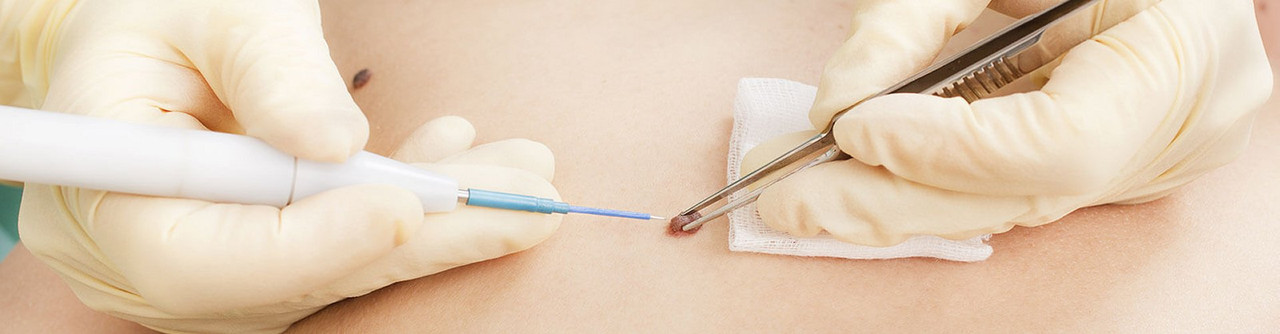
A minor surgical procedure does not necessarily end when you leave the clinic. A follow-up appointment can be an important part of the overall care process, giving the healthcare professional an opportunity to review the treated area, discuss healing, answer questions, and provide guidance for the next stage of recovery.
When attending a follow-up after Minor Surgery in UK, patients may wonder what will happen during the appointment and what information they should provide. The exact process depends on the type of procedure performed, the area treated, and the individual’s circumstances.
A follow-up appointment is generally focused on reviewing progress and making sure the patient understands any further care that may be required. It can also provide an opportunity to discuss wound care, stitches, activity, medication, and any relevant results.
Why Is a Minor Surgery Follow-Up Appointment Important?
A follow-up appointment allows the healthcare professional to assess how the treated area is progressing after the procedure.
Although every patient and procedure is different, the appointment may involve a review of the wound, discussion of symptoms, and assessment of whether any additional care is required.
The doctor may also want to know how you have been managing at home and whether you have followed the care instructions provided after your procedure.
Follow-up care is therefore not simply a routine check. It is an opportunity to review your individual progress and address questions that may have arisen since the procedure.
What Happens When You Arrive for the Follow-Up?
The appointment usually begins with a brief discussion about how you have been since the procedure.
The healthcare professional may ask when you returned home, how the treated area has been progressing, and whether you have noticed any changes.
You may also be asked whether you have been able to follow the wound-care instructions provided after surgery.
Depending on the procedure, the doctor or another qualified healthcare professional may then examine the treated area.
The exact steps will depend on the type of minor surgery you have had.
Reviewing the Treated Area
One of the main parts of a follow-up appointment is reviewing the area where the procedure was performed.
The healthcare professional may examine the wound and surrounding skin and consider how it is progressing.
The assessment may involve looking at the appearance of the area and checking information relevant to the procedure.
You can also use this opportunity to explain anything you have noticed since the surgery.
If you are unsure whether a change is part of the normal healing process, mention it during the appointment so that the healthcare professional can assess it appropriately.
Discussing Your Recovery at Home
The doctor may ask how you have been managing since the procedure.
You can explain how you have been caring for the treated area and whether you have been able to follow the instructions provided by the clinic.
The healthcare professional may ask about your normal activities, work routine, exercise, or other factors depending on the type of procedure you had.
This information helps provide context when reviewing your progress.
It is useful to be honest about your daily activities, especially if your routine has changed since the procedure.
Wound Care Review
Wound care may form an important part of a follow-up appointment.
Depending on the procedure, you may have been given instructions about keeping the area clean, changing dressings, protecting the site, or applying products recommended by the healthcare professional.
During the follow-up, you can ask questions if you are uncertain about any aspect of your wound-care routine.
The doctor can also explain whether you should continue with the same approach or make any changes.
The instructions can vary significantly depending on the type and location of the procedure, so it is important to follow the guidance provided specifically for your treatment.
Checking Stitches and Dressings
If stitches were used during your procedure, the follow-up appointment may include a review of them.
The timing and method of stitch removal can depend on the type of procedure, the location of the wound, and the type of stitches used.
Some stitches may be designed to dissolve naturally, while others may require removal by a healthcare professional.
If you are unsure about your stitches or dressing, the follow-up appointment provides an opportunity to ask questions.
Do not assume that every surgical wound follows the same timeline. Your clinic can explain what applies to your specific procedure.
Discussing Symptoms Since the Procedure
The healthcare professional may ask whether you have noticed any changes since the procedure.
You should mention symptoms or changes that concern you, even if you are unsure whether they are significant.
Useful information can include when a symptom started, whether it has changed, and whether it affects your daily activities.
Providing a clear description helps the healthcare professional understand your experience and decide whether any additional assessment is appropriate.
Reviewing Medication and Aftercare
Depending on the procedure, you may have received specific instructions about medication or aftercare.
At the follow-up appointment, the doctor may ask what medication you have been taking and whether you have followed the recommended instructions.
If another healthcare professional has prescribed or changed any medication since your procedure, tell the clinic about it.
You can also ask whether you should continue any medication or follow a particular aftercare routine.
Discussing Activity and Exercise
Your healthcare professional may discuss when you can return to your normal activities.
The appropriate timeline can depend on the procedure and the area treated. Some minor procedures may require only a short adjustment to normal activities, while others may require more careful management for a period of time.
You can ask about:
- Returning to work
- Exercise and gym activities
- Lifting objects
- Driving
- Swimming
- Sports
- Normal household activities
The doctor can provide guidance based on the specific procedure you underwent.
Reviewing Test or Laboratory Results
Some minor surgical procedures involve sending tissue or another sample for laboratory analysis.
If this applies to your procedure, the follow-up appointment may include a discussion of the results when they are available.
The healthcare professional can explain what the report means and whether any further action is recommended.
If the result is not yet available, the clinic can explain how and when you are likely to receive the relevant information.
Not every minor surgical procedure involves laboratory testing, so this part of the follow-up depends on the type of treatment.
Discussing the Appearance of the Treated Area
Patients may have questions about how the treated area looks after surgery.
Depending on the procedure, there may be temporary changes while the area continues to heal. The healthcare professional can discuss what to expect and how the area may change over time.
If the procedure involved removing a lesion, lump, skin tag, or other tissue, the doctor can also explain the progress of the treated site.
It is useful to ask questions during the follow-up rather than relying on assumptions about how healing should look.
What Information Should You Give the Doctor?
Before your follow-up appointment, think about what has changed since the procedure.
You may want to tell the doctor about:
- Changes in the treated area
- How you have been managing wound care
- Changes in activity levels
- Medication you have taken
- Any new medical information
- Questions about stitches or dressings
- Changes that you have noticed since the procedure
You do not need to prepare a lengthy report. A simple list of important points can help you remember what you want to discuss.
What Questions Should You Ask at Follow-Up?
A follow-up appointment is an opportunity to ask questions about your recovery and aftercare.
You may want to ask:
- Is the treated area progressing as expected?
- How should I continue caring for the wound?
- When can stitches be removed if applicable?
- When can I return to normal exercise?
- Can I resume swimming?
- When can I return to work?
- Are there any further appointments?
- Are laboratory results available?
- Do I need any additional care?
Preparing questions beforehand can make the appointment more useful.
Follow-Up After Different Minor Surgical Procedures
Minor Surgical Procedures In UK can cover a wide range of treatments, so follow-up appointments are not identical.
For example, follow-up after removal of a skin lesion may focus on the treated skin and any laboratory results. A procedure involving stitches may require assessment of the wound and discussion of stitch removal.
The follow-up process can therefore be adapted according to the type of procedure performed and the patient’s individual circumstances.
Your healthcare professional can explain what is relevant to your particular procedure.
When Is a Follow-Up Appointment Usually Scheduled?
The timing of a follow-up appointment depends on the procedure and the patient’s individual circumstances.
Some procedures may require an appointment relatively soon after treatment, while others may have a later review.
If stitches need to be removed, the timing may also depend on the location and type of stitches used.
Your clinic should provide information about when you should return and whether you need to contact the clinic earlier if you have questions or concerns.
Preparing for Your Minor Surgery Follow-Up
Preparation can be simple.
Before attending, review the aftercare instructions you received and make a note of any questions or changes you have noticed.
It can be useful to bring:
- Your medication information
- Any aftercare documentation
- Questions about wound care
- Information about changes since surgery
- Details of any treatment received elsewhere
If you have been keeping a record of your recovery, this can also be discussed with the healthcare professional.
The Role of a Private Minor Surgery Clinic
A Private Minor Surgery Clinic In UK can provide consultations and follow-up care for patients who undergo suitable minor procedures.
A dedicated follow-up appointment gives the patient an opportunity to speak with the healthcare professional who is familiar with the procedure and discuss how the treated area is progressing.
The consultation can also provide clarification about aftercare and future appointments.
The specific follow-up process depends on the procedure, the individual patient, and the clinic’s care pathway.
What Happens After the Follow-Up Appointment?
After examining the treated area and discussing your progress, the healthcare professional can explain what should happen next.
You may be advised to continue your existing aftercare routine, change part of your wound-care approach, arrange another review, or return to your normal activities according to the specific guidance provided.
If laboratory results are relevant, these may also be discussed or communicated separately.
Not every patient requires multiple follow-up appointments. The number and timing of reviews depend on the type of procedure and individual circumstances.
Why Communication Matters During Follow-Up
Clear communication is an important part of postoperative care.
If something about your aftercare is unclear, ask the healthcare professional to explain it. Similarly, mention changes you have noticed rather than assuming that they are unimportant.
The more accurately you describe your experience, the easier it is for the healthcare professional to understand your situation and provide relevant guidance.
A follow-up appointment should be viewed as an opportunity for discussion as well as examination.
Conclusion
A follow-up appointment after Minor Surgery in UK generally focuses on reviewing the treated area, discussing recovery, checking wound care, reviewing stitches or dressings when relevant, and answering questions about returning to normal activities.
The exact process depends on the type of procedure and individual circumstances. Some follow-ups may also include discussion of laboratory results or additional care.
Preparing a short list of questions and information about changes since the procedure can help you make the most of your appointment. At a Private Minor Surgery Clinic In UK, follow-up care can provide an opportunity to review your progress and receive personalised guidance for the next stage of your recovery.
FAQs
What happens during a minor surgery follow-up appointment?
The healthcare professional will generally ask how you have been since the procedure and may examine the treated area. The appointment can also include a review of wound care, stitches, medication, activity, and any relevant results.
When should I attend my minor surgery follow-up?
The timing depends on the procedure and your individual circumstances. Your clinic should provide information about when your follow-up should take place.
Will my stitches be checked during the follow-up?
If stitches were used, the healthcare professional may check them and explain whether they need to be removed or whether they are designed to dissolve naturally.
Can I ask questions about wound care?
Yes. A follow-up appointment is a suitable time to ask about cleaning, dressings, activity, and other aspects of aftercare.
Can I discuss returning to exercise?
Yes. You can ask when it is appropriate to return to exercise, sports, swimming, gym activities, or other physical activities. The advice depends on the procedure you had.
Will laboratory results be discussed at the follow-up?
If tissue or another sample was sent for laboratory analysis, the results may be discussed when they become available. Not every minor procedure involves laboratory testing.
What should I tell my doctor during the follow-up?
Tell the healthcare professional about changes you have noticed since the procedure, how you have been managing aftercare, any medication changes, and questions about your recovery.
How should I prepare for my minor surgery follow-up?
Review your aftercare instructions, make a note of any changes you have noticed, and prepare questions about wound care, stitches, activity, medication, or further appointments.
Do all minor surgical procedures require a follow-up appointment?
Follow-up requirements vary according to the procedure and individual circumstances. Your healthcare provider can explain whether a review is needed and when it should take place.
What are Minor Surgical Procedures in the UK?
Minor Surgical Procedures In UK refers to a range of surgical treatments that can be performed for suitable conditions without the need for major surgery. The exact procedures available depend on the clinic and patient’s individual circumstances.
What is a Private Minor Surgery Clinic in the UK?
A Private Minor Surgery Clinic In UK provides consultations and suitable minor surgical procedures in a private healthcare setting. Follow-up care may also be provided according to the procedure and patient’s needs.
Can I return to work after minor surgery?
The appropriate time to return to work depends on the procedure, the area treated, your occupation, and the guidance provided by your healthcare professional. Discuss your work requirements during the follow-up appointment.
Will I need another follow-up appointment?
Some patients may require another review, while others may not. The need for additional appointments depends on the procedure and how the treated area is progressing.